
6 mm toughened glass price
Understanding Magnetic V Blocks Size and Standards Magnetic V blocks are essential tools in various machining and mechanical engineering applications. These devices secure workpieces during processes such as grinding, milling, or cutting, providing stability and precision. The design of V blocks, characterized by their triangular grooves (the V shape), allows them to hold cylindrical or elongated materials effectively. However, their functionality hinges on an important factor size. This article explores the significance of magnetic V block size and the standards related to their use. The Importance of Size The size of a magnetic V block is vital for its effectiveness. A well-sized V block ensures that it can grip the workpiece securely without any slippage, which is crucial for achieving precision in machining processes. When selecting the size, engineers must consider both the dimensions of the workpiece and the specifications of the machine being used. A standard V block typically features dimensions that cater to various workpiece sizes, but variations are available for specific applications. For instance, standard sizes might range from small blocks designed for intricate components to larger blocks capable of holding heavier and more substantial items. Using a V block that is too small can lead to insufficient support, resulting in vibrations or movement during machining, which may compromise the quality of the finished product. Conversely, a block that is too large may be cumbersome, making it difficult to align and operate with precision. Magnetic Features magnetic v block size and standard The magnetic component of the V block is another critical aspect of its design. Most magnetic V blocks come with a powerful magnetic base that allows for strong adhesion to ferrous surfaces. This magnetic feature is especially beneficial in setups where traditional clamping methods may not be feasible. The magnet can be activated or deactivated with a simple switch, allowing for quick adjustments and repositioning of the workpiece. The effectiveness of the magnet can also depend on the size of the V block. A larger block typically has a larger surface area to accommodate magnets, leading to increased holding power. This is particularly important in applications requiring stability during high-speed machining processes where even the slightest movement can result in errors. Industry Standards The manufacturing and use of magnetic V blocks are subject to various industry standards to ensure quality and reliability. Some of these standards are established by organizations such as the American National Standards Institute (ANSI), the International Organization for Standardization (ISO), and other industry-specific governing bodies. These standards define the criteria for dimensions, material specifications, magnetic strength, and overall safety. When choosing a magnetic V block, it is essential to select one that adheres to these established standards. This ensures not only the tool's performance but also its compatibility with other equipment and components used in machining environments. Conclusion In summary, the size and standards of magnetic V blocks play pivotal roles in their effectiveness within machining and engineering processes. Selecting the appropriate size ensures that workpieces are securely held, promoting precision and safety during operations. The magnetic capabilities enhance the versatility of these tools, providing significant advantages over traditional clamping methods. Adhering to industry standards ensures that the blocks meet quality expectations and perform reliably across various applications. As industries continue to evolve and demand greater precision, the significance of understanding magnetic V block size and standards will only grow, making this knowledge indispensable for professionals in the field.
about
6 mm toughened glass price
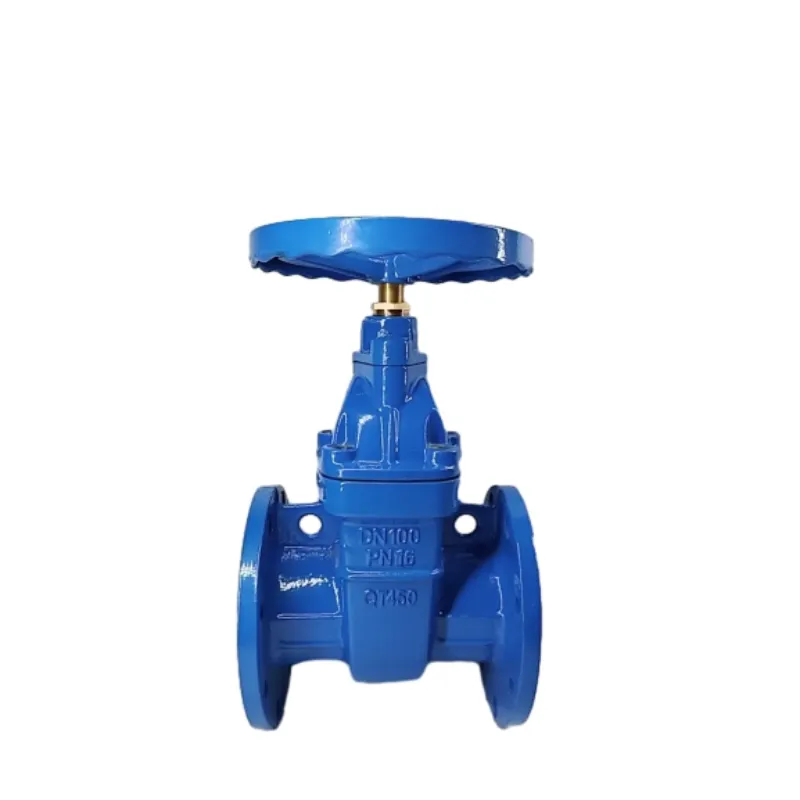
Understanding Flow Control Valve Types Flow control valves play a critical role in managing fluid flow in various industries, from manufacturing to aerospace. These devices regulate the flow rate of liquids or gases, ensuring that systems operate efficiently and safely. With diverse applications, it is essential to understand the different types of flow control valves, their functions, and the contexts in which they are used. Types of Flow Control Valves 1. Globe Valves Globe valves are one of the most common types of flow control valves. They are characterized by a spherical body shape that helps optimize the flow direction. The internal baffle and the disc allow for precise control of flow rates, making them suitable for throttling applications. Globe valves are often used in water supply systems and industrial processes where flow regulation is essential. 2. Ball Valves Ball valves use a spherical ball with a hole through its center to control flow. When the ball is rotated, it either allows flow through the valve or blocks it completely. Ball valves are popular because they provide a quick shut-off capability and low fluid resistance when open. They are commonly used in oil and gas industries, plumbing, and HVAC systems. 3. Gate Valves Gate valves, as their name suggests, function similarly to a gate. They consist of a flat gate that is raised or lowered to start or stop fluid flow. While gate valves are excellent for fully open or closed positions, they are not ideal for throttling applications, as they can cause wear and tear. Their best use cases are in pipelines where a complete shutoff is necessary, such as in water distribution systems. 4. Check Valves Check valves are essential for preventing backflow in piping systems. They automatically close if the flow in the reverse direction occurs, ensuring that the system operates efficiently without the risk of contamination. Check valves are commonly found in water pumps and sump pumps to prevent backflow that can compromise system integrity. 5. Butterfly Valves Butterfly valves consist of a rotating disc that regulates flow. When the disc is perpendicular to the flow, it blocks the flow; when it is parallel, it allows fluid to pass. These valves are lightweight and can be quickly operated, making them suitable for large pipes where space and weight are considerations. Common applications include HVAC systems and water treatment facilities. flow control valve types 6. Pressure Relief Valves Pressure relief valves are designed to prevent overpressure in systems. They automatically open when the pressure exceeds a predetermined level, allowing excess pressure to escape and protecting the system from damage. These valves are crucial in various applications, such as boilers and pressure vessels, ensuring operational safety. 7. Proportional Control Valves Proportional control valves allow for precise control based on varying input signals, such as pressure or temperature. They adjust flow rates in real-time, commonly used in process control, robotics, and automated systems. Their ability to maintain consistent performance across varying operating conditions makes them invaluable in advanced applications. Choosing the Right Flow Control Valve Selecting the appropriate flow control valve depends on several factors, including the type of fluid being controlled, the flow rate requirements, and the specific application environment. It is vital to consider parameters such as temperature, pressure, and material compatibility to ensure optimal performance. Additionally, understanding the installation requirements and maintenance considerations is essential. Some valves, like gate valves, require more significant space for operation, while others, like butterfly valves, are more compact. Maintenance needs can vary widely; some valves may need routine inspections and repairs, while others are designed for long-lasting performance with minimal upkeep. Conclusion Flow control valves are integral components in various fluid systems, playing a pivotal role in maintaining operational efficiency and safety. By understanding the different types of flow control valves—globe, ball, gate, check, butterfly, pressure relief, and proportional control—engineers and technicians can make informed decisions in designing and maintaining fluid systems. With the right valve in place, industries can ensure optimal performance, reliability, and safety in their operations, contributing to successful outcomes across different applications. As technology advances, the development of new valve designs and controls will continue to enhance fluid management solutions worldwide.
-

High quality industrial productsagement

High quality industrial products
View Details -

Meet the diverse needs of customers

Meet the diverse needs of customers
View Details -

Strict quality control

Strict quality control
View Details -

Top raw materials

Top raw materials
View Details -

Trusted supplier

Trusted supplier
View Details
Our application



news and information
Versatile Metal Angle Ruler for Precision Measurements and Projects
The Versatility of the Metal Angle Ruler in Precision Measurement In the world of craftsmanship, eng

welding table workbench
The Essential Guide to Welding Tables and Workbenches Welding tables and workbenches are vital tools

Válvula de globo com 2% de eficiência em sistemas hidráulicos industriais
Válvula de Bola de 2” x 1” x 2” Uma Solução Eficiente para Controle de Fluxo As válvulas têm um pape
 English